Parametric flood insurance pays without a claim. A satellite confirms water above a stated depth and the money moves. Organisations are buying it now for informal settlements across Africa and Asia, and the trigger has a gap. Standard Sentinel-1 thresholding over eight documented floods in dense neighbourhoods detects none of them, because side-looking radar over packed low-rise building never sees the ground, and turbid water sits close to dry concrete in backscatter. The instrument is blind where the policy is sold. This session closes that gap with an agent, and spends most of its time on the design work that makes such an agent safe to point at money. We'll go end to end. How a spoken report in a low-resource language becomes a calibrated measurement. How it is priced, so one report is worth a measured quantity with a ceiling set by your own model's skill. How evidence accumulates until a zone crosses the payout line. Then the constraints. A toolset with no capability to broadcast a public warning. Repeat reports from one handset adding no weight. Evals that catch the agent leading a witness. A payout computed in deterministic code a loss adjuster can rerun a year later and reproduce exactly. You'll leave with the shape of all of it, and an honest account of where it is still weak.
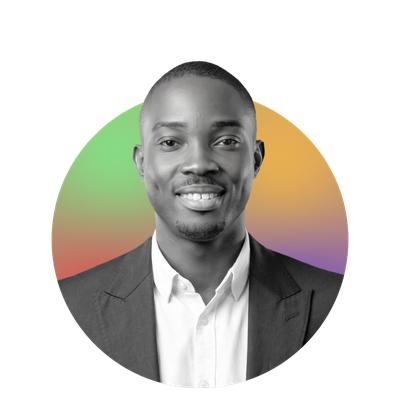
Kayode Adeniyi is an AI Research Engineer. With years building flood models using computer vision methods and satellite technology across Africa, and a background writing production payment infrastructure in Nigeria. He has delivered AI ecosystem assessments across Africa and Latin America for the United Nations Development Programme, won the Luminance AI Challenge at Cambridge Judge Business School, and presented on auditable AI at the Palace of Westminster.